The first big win in martial arts often happens before a student throws a single punch or learns a single kick: they walk through the door. Whether your child is feeling excited, shy, or unsure, this guide to your first martial arts lesson will help your family know what to expect and how to arrive ready to learn.
A quality first class is not a test of athletic ability. It is an introduction to a structured, encouraging environment where beginners are expected to be beginners. Students learn by listening, practicing, making small corrections, and trying again. That process builds more than martial arts skills. It builds confidence, focus, respect, and resilience.
What to Expect at Your First Martial Arts Lesson
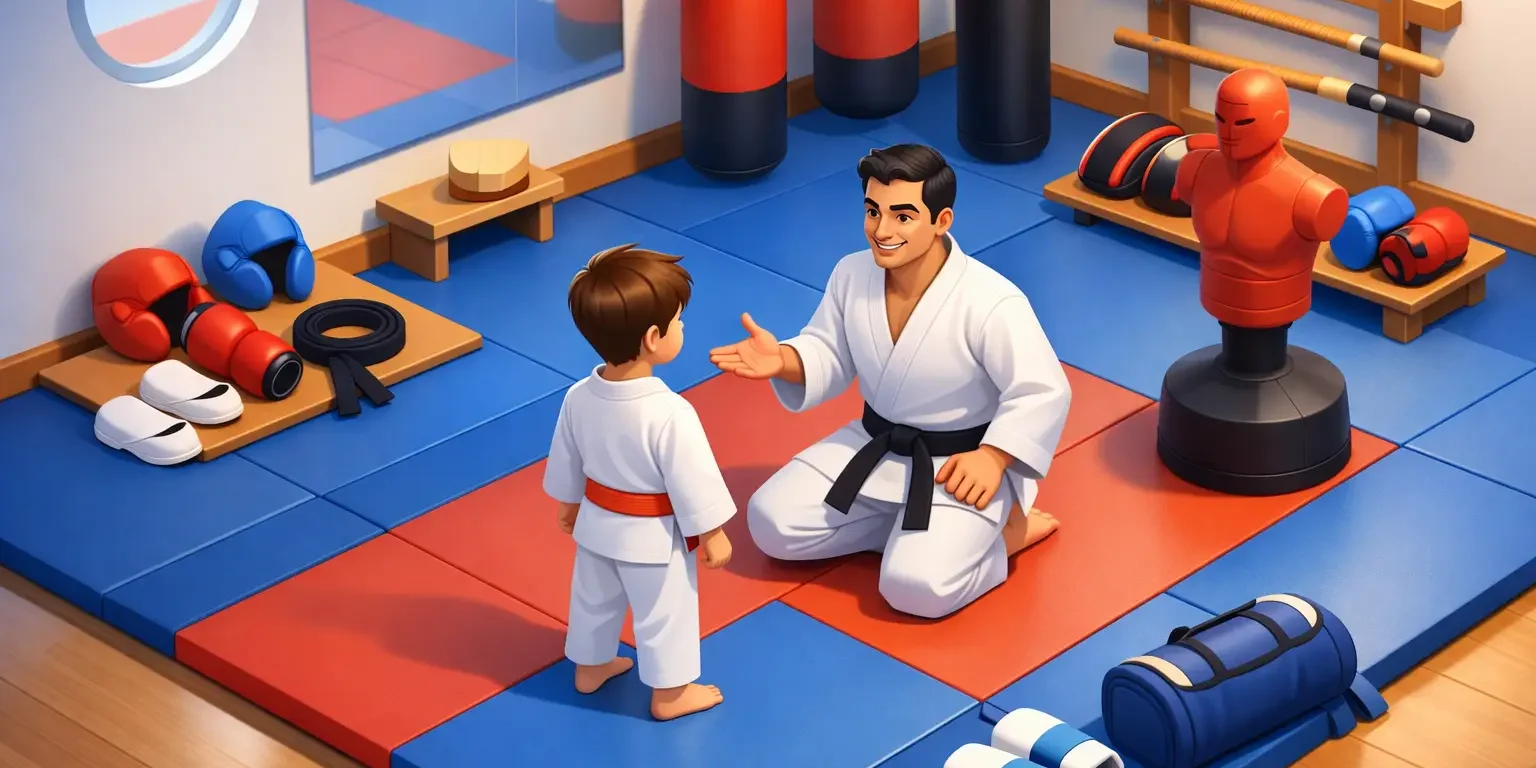
Most first lessons begin with a warm welcome from an instructor or staff member. They may introduce you to the school, explain where to put shoes and belongings, and help your child feel comfortable before class begins. If you are attending as an adult, you can expect the same respectful introduction without pressure to already know what you are doing.
Classes are organized because structure helps students learn. Young children may start with simple movements, listening exercises, balance activities, and age-appropriate martial arts skills. Kids, teens, and adults often begin with a warm-up, basic stances, blocks, punches, kicks, and self-defense concepts. Instructors demonstrate each skill, then give students time to practice at their own level.
You will also notice that martial arts class is about more than movement. Students are usually asked to stand in line, pay attention when an instructor is speaking, use respectful language, and encourage classmates. These routines help create a safe learning environment. They also give children meaningful practice with habits that carry into school, home, and other activities.
A first class may feel busy at first, especially for a younger student. That is normal. The goal is not to remember every term or perform every technique perfectly. The goal is to participate, listen, and leave with a sense of what training can become over time.
What to Wear and Bring
For most introductory martial arts lessons, comfortable clothes are enough. A T-shirt and athletic pants, leggings, or shorts that allow easy movement are a practical choice. Avoid clothing with stiff buttons, slippery fabric, or accessories that could get in the way during exercise.
Bring a water bottle if the school allows it, and arrive a few minutes early so there is time to settle in. Long hair should be secured away from the face. Jewelry, watches, and other items that could catch or cause discomfort should be left at home when possible.
If you are joining a program, the school will explain uniform expectations. Martial arts uniforms are useful because they create a sense of belonging, reduce distractions about clothing, and make it easier for instructors to see proper body position. But a uniform should never be the reason someone waits to try a first class.
How Parents Can Help Children Feel Ready
Children often take their cues from the adults they trust. You do not need to give a big speech on the way to class. A calm, positive message works best: “We are going to try something new, listen to the instructor, and do our best.”
Try not to promise that your child will be the best in class or that everything will feel easy. Those promises can add pressure. Instead, praise brave choices: walking in, joining the line, trying a new stance, or raising a hand to answer a question. Confidence grows through action, not through avoiding uncomfortable moments.
For a child who is nervous, it can help to explain the class in simple steps. First, you will meet the instructor. Then, you will warm up. Next, you will learn a few moves with the group. Finally, you will talk about how it went. Knowing the sequence can make a new experience feel more manageable.
It also helps to give your child permission to be quiet at first. Some students jump right in; others watch carefully before participating. Both responses can be healthy. A supportive instructor will encourage participation while respecting each student’s pace.
The Beginner Mindset That Makes Progress Possible
Martial arts rewards steady effort. A student does not need to be flexible, coordinated, strong, or outgoing on day one. Those qualities can improve with regular training. What matters most is a willingness to listen, practice, and keep going when a skill feels unfamiliar.
This is especially valuable for children who have struggled with frustration in other activities. Learning a kick may require several attempts before it feels natural. Learning to tie a belt, follow a sequence, or remember a form takes repetition. Each small improvement teaches a powerful lesson: progress comes from consistent effort.
Adults benefit from this mindset too. A first martial arts lesson can be humbling if you have not exercised recently or if you are used to being experienced in other areas of life. Let go of the need to look polished. Focus on safe movement, clear instruction, and the satisfaction of showing up for yourself.
Safety, Respect, and Personal Boundaries
A good martial arts school teaches students to use their skills responsibly. Training partners should be treated with care, and instructors should clearly explain how to practice safely. Beginners are not expected to spar hard, prove toughness, or push through pain.
If a movement hurts, feels unsafe, or is confusing, students should tell an instructor right away. This is not complaining. It is part of learning responsibility and body awareness. Instructors can offer a correction, an alternative movement, or a chance to take a short break.
Martial arts training also reinforces that self-defense is about awareness, confidence, and avoiding conflict whenever possible. Students learn that strength includes self-control. The purpose is not to start fights or intimidate others. It is to develop the discipline to respond wisely and protect oneself when necessary.
Choosing the Right Class for Your Family
Age-appropriate instruction matters. A preschooler needs a different learning experience than a 10-year-old, and a teen or adult needs different goals and challenges than a younger child. Look for a program that groups students thoughtfully and explains what each age level is working toward.
For young children, the best fit often includes short activities, clear routines, positive reinforcement, and lessons that support listening and coordination. School-age children benefit from a balance of physical skill development, goal setting, confidence building, and peer interaction. Teens and adults may be looking for practical self-defense, fitness, stress relief, or a disciplined personal challenge.
It is also worth paying attention to the culture of the school. Is the environment clean, organized, and welcoming? Do instructors correct students respectfully? Are students encouraged rather than embarrassed? A martial arts school should feel challenging without feeling intimidating.
At ATA Integrity Martial Arts, families can find age-based training that gives beginners a clear place to start and a path for continued growth. The right program should help students feel seen, supported, and motivated to return.
After Class: Ask Better Questions
Instead of asking only, “Did you like it?” try questions that invite a fuller response. Ask what move they remember, what felt easy or challenging, or what their instructor said about respect or focus. These questions show children that learning matters as much as having fun.
If your child says they were nervous, treat that as useful information, not a reason to quit immediately. New activities take adjustment. One class can reveal whether the environment feels positive, but several classes are often needed before a student feels comfortable with the routine.
For adults, notice how your body and mindset feel after class. You may be energized, challenged, or pleasantly tired. You may also recognize how refreshing it is to spend time working toward a goal that is completely your own.
Your first lesson is simply a starting point. Show up with comfortable clothes, an open mind, and a willingness to try. The skills will come one class at a time, and the confidence you build can follow you far beyond the training floor.